
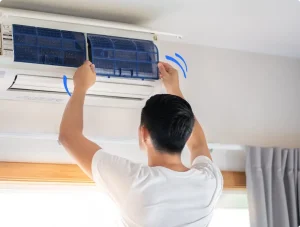
 Your HVAC system plays a critical role in keeping your home comfortable year-round—but without regular seasonal preparation, it can become inefficient, unreliable, and costly. As temperatures shift from hot to cold (or vice versa), it’s essential to make sure your system is ready to handle the change.
Here’s a step-by-step guide to help you prepare your HVAC system for seasonal transitions and ensure peak performance when you need it most.
1. Replace or Clean the Air Filter
This is the easiest and most important maintenance task. Dirty filters restrict airflow, forcing your HVAC system to work harder and consume more energy. A clean filter improves air quality and boosts system efficiency.
Tip: Replace filters every 1–3 months, depending on the season, household size, and presence of pets or allergies.
2. Check and Clean Vents and Registers
Make sure that air vents and return registers are clean and unobstructed by furniture, rugs, or dust buildup. Blocked vents reduce circulation and can throw off your entire heating or cooling balance.
Vacuum the grilles and wipe them down with a damp cloth as part of your seasonal prep.
3. Test Your Thermostat
Switch your thermostat from cooling to heating (or vice versa) and make sure it responds correctly. If it doesn’t hold the temperature or seems inaccurate, consider recalibrating or upgrading to a programmable or smart thermostat.
Smart thermostats allow you to adjust temperature settings remotely and save on energy costs with automated scheduling.
4. Inspect Ductwork for Leaks
Leaky ducts waste heated or cooled air and force your system to work overtime. Look for signs of:
- Whistling sounds
- Uneven room temperatures
- Higher energy bills
You may need a professional to perform a duct inspection and sealing service for optimal results.
5. Clean the Outdoor Unit (for Central AC Systems)
If you have a central air system, check the outdoor condenser unit. Remove any leaves, dirt, or debris that may have built up during the off-season. Ensure there’s at least 2 feet of clearance around the unit for proper airflow.
Also, inspect the coils and fins—gently clean them if they appear dusty or clogged.
6. Schedule a Professional Tune-Up
HVAC systems benefit from twice-yearly inspections—once in the spring for cooling and once in the fall for heating. During a tune-up, technicians check refrigerant levels, test electrical components, lubricate moving parts, and look for wear and tear.
Preventative maintenance reduces the risk of breakdowns and helps you avoid emergency repairs when you need your system most.
7. Change Humidifier or Dehumidifier Settings
As humidity levels shift between seasons, adjust your whole-home humidifier or dehumidifier accordingly. This keeps indoor air quality balanced and protects your home from mold or dryness.

Conclusion
Seasonal HVAC maintenance doesn’t take long, but it can save you money, extend your system’s lifespan, and keep your home consistently comfortable. Whether you handle the basics yourself or call in the pros for a detailed inspection, preparation is the key to year-round peace of mind.
Ready for a seasonal tune-up? Contact our certified HVAC technicians today to schedule your service and ensure your system is running at its best.