
Plumbing emergencies can happen when you least expect them—burst pipes, overflowing toilets, or water heater failures don’t wait for a convenient time. While it’s crucial to call a professional plumber right away, knowing what to do in those first few minutes can minimize damage, reduce stress, and even save you money.
Here’s a step-by-step guide on what to do before the plumber arrives:
1. Shut Off the Water Supply
The most important first step in any plumbing emergency is to stop the flow of water. Locate your main water shut-off valve, usually found in the basement, crawl space, or near the water meter. If the issue is isolated to a sink or toilet, use the shut-off valves under the fixture. Stopping the water quickly can prevent flooding and major water damage.
2. Turn Off the Water Heater
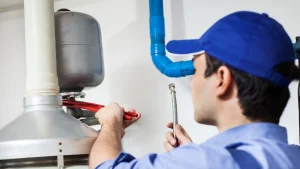
If the emergency involves hot water (like a leaking tank or burst pipe), it’s smart to turn off the water heater to avoid overheating or pressure buildup. For electric heaters, shut off the breaker; for gas heaters, turn off the gas supply valve. This protects your system and helps prevent further complications.
3. Open Faucets to Drain Remaining Water
Once the main water supply is off, open all faucets in the home to help drain the water from the pipes. This relieves pressure in the lines and reduces the chance of additional leaks while you wait for the plumber to arrive.
4. Contain and Clean Up Water
Use towels, mops, or buckets to soak up standing water and prevent it from spreading into flooring or walls. If you have a wet/dry vacuum, use it to extract as much water as possible. The quicker you contain the mess, the less chance you’ll have mold or long-term structural damage.
5. Take Safety Precautions
If water has reached electrical outlets or appliances, turn off power to the affected area at your breaker box. Never walk into standing water near electrical components. If you smell gas during a water heater emergency, leave your home immediately and contact your gas company.
6. Avoid DIY Repairs
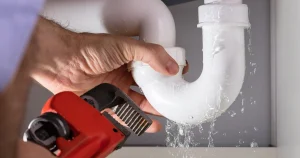
It’s tempting to fix a leak or blockage yourself in a panic—but unless you’re confident and experienced, it’s best to wait for a licensed plumber. Temporary “fixes” using tape, glue, or makeshift tools often cause more damage and complicate the repair process.
7. Call a Trusted Emergency Plumber
Once the situation is stable, contact a professional plumbing service that offers 24/7 emergency support. Provide details about the problem so they arrive prepared with the right tools and parts.
Bonus Tip: Build an Emergency Plumbing Kit
Stock your home with essentials like:
- Pipe tape
- Towels and rags
- A bucket
- Adjustable wrench
- Flashlight
- Plumber’s putty
This kit can help you respond quickly and confidently in a future emergency.
Stay Calm—Help Is on the Way
Plumbing emergencies are stressful, but knowing how to react before the plumber gets there can make a big difference. Fast action protects your home, prevents further damage, and gives the pros a better chance at solving the problem efficiently.
Need emergency plumbing help right now? Call our team—we’re available 24/7 for fast, reliable service.