
Plumbing emergencies can strike at any time, often when you least expect them. Whether it’s a burst pipe, a severe leak, or a clogged drain that causes your sink or toilet to overflow, plumbing issues can lead to significant damage if not addressed promptly. While waiting for a professional plumber to arrive, taking immediate action can minimize the damage and prevent further complications. In this blog, we’ll discuss what steps you should take before the plumber arrives during an emergency plumbing situation to protect your home and belongings.
1. Shut Off the Water Supply
The very first thing you should do when you notice a plumbing emergency is to stop the flow of water. This can be critical in preventing water damage and minimizing the risk of flooding.
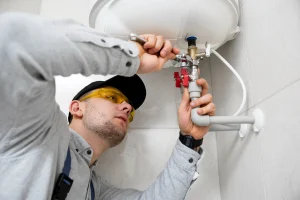
What to Do:
- Locate the main water shut-off valve: This valve controls the flow of water into your home, and turning it off will stop the water supply to all your plumbing fixtures. In most homes, this valve is located in the basement, crawl space, or near your water meter outside.
- Shut off individual valves: If the emergency is localized to a single fixture, such as a leaking toilet or sink, you may be able to shut off the water at the individual fixture’s valve. These valves are typically located under the sink or behind the toilet.
Why It’s Important: Shutting off the water prevents further flooding, which can lead to costly repairs and water damage to walls, floors, and personal belongings. This simple step can help keep the situation under control until help arrives.
2. Turn Off the Power Supply (If Necessary)
In certain plumbing emergencies, especially those involving significant leaks or floods, it’s important to consider safety first. Water and electricity don’t mix, so you may need to turn off your home’s power to prevent electrical hazards.
What to Do:
- Turn off electrical circuits: If the leak is near electrical outlets, appliances, or wiring, go to your home’s electrical panel and turn off the circuit breakers connected to the affected areas. This will prevent any risk of electrocution or fire from water coming into contact with electrical components.
- Avoid using electrical appliances: Until the water is stopped, do not use any electrical devices near the leak, such as lights, fans, or other plugged-in appliances.
Why It’s Important: Electrical hazards pose serious risks when dealing with plumbing emergencies. Turning off the power supply reduces the chances of dangerous electrical accidents.
3. Contain the Leak or Spill (If Safe to Do So)
If you’re able to safely contain the water from a leak or spill, take action to limit the extent of the damage. This will help reduce the mess and potential destruction to your floors, furniture, and belongings.
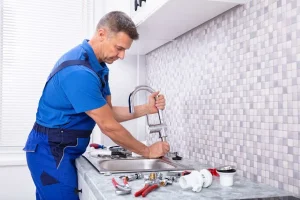
What to Do:
- Use towels, buckets, or containers: If the leak is coming from a pipe under the sink or another area, grab towels, rags, or containers to catch as much water as possible. This will help minimize water damage to your floors and furniture.
- Use a wet/dry vacuum: If the water accumulation is significant, and you have a wet/dry vacuum, use it to suck up the water. This will help prevent further damage to your floors and walls.
Why It’s Important: While this won’t fix the plumbing issue, it can help minimize water damage until the plumber arrives. Keeping the area dry can also reduce the risk of mold growth and the need for extensive repairs.
4. Locate and Assess the Problem (If Safe)
If you are able to safely access the plumbing problem, try to assess the situation. Knowing the specifics of the issue can help the plumber arrive with the right tools and parts for the job, potentially saving time.
What to Do:
- Inspect the plumbing system: For instance, check if a pipe has burst or if a fixture like a toilet or sink is overflowing. If the problem is a clogged drain, try using a plunger or a drain snake to temporarily alleviate the issue.
- Take photos: If possible, take photos of the damage to show the plumber once they arrive. This will help them understand the severity of the situation and prepare for repairs.
Why It’s Important: Understanding the nature of the emergency helps the plumber understand what they’re dealing with, ensuring they bring the correct tools and parts to resolve the problem quickly.
5. Clear the Area and Protect Your Belongings
Water from a plumbing emergency can damage your belongings, especially if it floods a room. Taking quick action to protect your valuables can prevent unnecessary loss.
What to Do:
- Move furniture and valuables: If the water is spreading, move your furniture and any valuable items to higher ground, away from the source of the leak.
- Protect the floor: Use towels, plastic sheets, or garbage bags to cover your floors and carpets. This will help prevent water from soaking into your flooring and may help minimize permanent damage.
Why It’s Important: Protecting your possessions and floors from water damage is essential in preventing costly repairs and replacing damaged furniture or electronics.
6. Contact a Licensed Plumber Immediately
Once you’ve handled the immediate steps of turning off the water and minimizing the damage, contact a licensed plumber as soon as possible. Plumbing emergencies require professional expertise, and only a skilled plumber can diagnose the problem accurately and perform the necessary repairs.
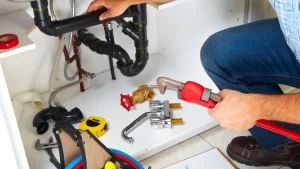
What to Do:
- Call an emergency plumber: Look for a reliable, 24/7 emergency plumbing service. Provide them with all the information about the issue, including the location of the problem, whether it’s a leak, burst pipe, or any other issue, and what immediate actions you’ve taken.
- Ask about response time: Emergency plumbers typically offer fast response times, but it’s helpful to ask about how soon they can arrive.
Why It’s Important: Plumbers have the experience, tools, and knowledge to fix your plumbing problem quickly and effectively, ensuring the situation is resolved safely and efficiently.
7. Stay Calm and Patient
It’s easy to feel overwhelmed when dealing with a plumbing emergency, but staying calm and patient is essential. Panicking can lead to mistakes, and it may slow down the process of fixing the problem. Take a deep breath, focus on the steps you can control, and wait for your plumber to arrive.
Why It’s Important: By staying calm, you’ll be better equipped to handle the emergency and will be able to communicate more clearly with the plumber once they arrive. Additionally, your ability to act quickly and effectively will ensure the situation doesn’t escalate.
Conclusion: Be Prepared for Plumbing Emergencies
Plumbing emergencies can be stressful, but knowing what to do before help arrives can make all the difference in minimizing damage and getting the problem fixed quickly. By shutting off the water, containing the leak, and contacting a professional plumber, you’ll be well on your way to resolving the issue safely. Remember, having a trusted emergency plumber’s contact information on hand is always a good idea to avoid delays during a crisis.
If you’re ever faced with a plumbing emergency, don’t hesitate to call our expert plumbers. We’re ready to respond quickly and effectively to get your plumbing system back in working order.
Contact Us for Emergency Plumbing Services
In need of immediate plumbing help? Reach out to us anytime, and our expert plumbers will respond quickly to get your home’s plumbing system back on track!