
The air quality inside your home plays a crucial role in your overall health and well-being. In fact, indoor air can often be more polluted than outdoor air due to various factors like poor ventilation, the presence of allergens, and the use of chemical products. Poor indoor air quality can contribute to respiratory problems, allergies, fatigue, and even exacerbate conditions like asthma. Fortunately, there are several practical steps you can take to improve the air quality in your home and create a healthier living environment for you and your family.
Here’s how you can enhance indoor air quality for a healthier home:
1. Regularly Change Air Filters
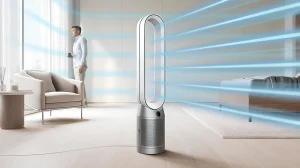
One of the most basic and effective ways to improve indoor air quality is to replace your air filters regularly. Air filters trap dust, dirt, pet dander, pollen, and other airborne particles, preventing them from circulating through your home. Over time, filters can become clogged, reducing their effectiveness and causing your HVAC system to work harder. This can lead to higher energy bills and poorer air quality.
What to Do:
Check and replace your air filters every 1-3 months, depending on usage. If you have pets or live in an area with high pollen levels, you may need to replace the filters more frequently. Opt for high-efficiency particulate air (HEPA) filters for superior filtration.
2. Maintain Proper Ventilation
Proper ventilation is key to ensuring that fresh air flows into your home and stale air is removed. Without adequate ventilation, airborne pollutants like volatile organic compounds (VOCs), carbon dioxide, and moisture can build up, leading to poor indoor air quality. Opening windows to let in fresh air and using exhaust fans in the kitchen and bathroom can help improve air circulation. In areas with high humidity, it’s also important to use a dehumidifier to prevent mold growth.
What to Do:
Ensure that your home’s ventilation system is working properly. Regularly clean vents and exhaust fans to remove dust and debris. Consider installing a whole-house ventilation system or an air exchange unit to improve air circulation in tightly sealed homes.
3. Use an Air Purifier
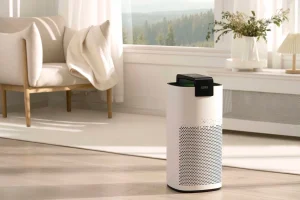
Air purifiers are designed to remove allergens, dust, pet dander, smoke, and other particles from the air. They are especially beneficial for people with allergies, asthma, or other respiratory conditions. There are various types of air purifiers available, but HEPA air purifiers are among the most effective at removing small particles from the air.
What to Do:
Invest in a high-quality air purifier for rooms where you spend the most time, such as the bedroom or living room. Be sure to choose a model that is suitable for the size of the room and has a HEPA filter for maximum filtration efficiency.
4. Control Humidity Levels
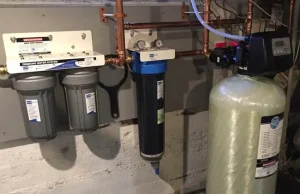
High humidity can lead to mold growth, while low humidity can cause dry skin, irritated eyes, and respiratory issues. Maintaining a balanced humidity level (ideally between 30-50%) helps prevent the growth of mold and dust mites and keeps your respiratory system healthy. Humidity can also affect the efficiency of your HVAC system.
What to Do:
Use a dehumidifier to reduce humidity in damp areas like basements or bathrooms. In dry climates or during winter, use a humidifier to add moisture to the air and keep your skin and airways from becoming too dry. A humidifier can also help prevent cracks in wooden furniture or flooring caused by low humidity.
5. Minimize the Use of Chemical Products
Many household cleaning products, paints, and air fresheners contain chemicals that can release volatile organic compounds (VOCs) into the air, which can be harmful to your health. VOCs can cause headaches, dizziness, and long-term respiratory problems. Using natural or low-VOC products can significantly improve indoor air quality.
What to Do:
Opt for natural cleaning products or make your own using simple ingredients like vinegar, baking soda, and lemon. Choose paints, varnishes, and adhesives that are labeled as low-VOC or VOC-free. Avoid air fresheners and candles with synthetic fragrances, which can release harmful chemicals into the air.
6. Reduce Indoor Allergens
Common indoor allergens such as dust mites, pet dander, mold, and pollen can negatively impact air quality, especially for those with allergies or asthma. To reduce allergens, regular cleaning and home maintenance are essential.
What to Do:
Vacuum carpets and upholstery regularly using a vacuum with a HEPA filter. Wash bedding, curtains, and pet bedding frequently to remove dust and pet dander. If you have pets, bathe them regularly and keep them out of bedrooms to minimize dander buildup.
7. Maintain Your HVAC System
Your HVAC system plays a vital role in circulating air throughout your home. Over time, dust, dirt, and debris can accumulate in the ducts and filters, reducing the system’s efficiency and contaminating the air. Regular maintenance of your HVAC system ensures that it operates efficiently and helps maintain clean, healthy air in your home.
What to Do:
Schedule annual HVAC maintenance to inspect and clean ducts, replace filters, and ensure the system is running smoothly. You may also want to consider installing a UV light air purifier inside your HVAC system, which can help kill bacteria, mold, and other pathogens.
8. Add Indoor Plants
Indoor plants are natural air purifiers that can help remove carbon dioxide, release oxygen, and filter out harmful toxins from the air. Certain plants are especially effective at improving air quality by absorbing pollutants like formaldehyde and benzene.
What to Do:
Add plants like spider plants, peace lilies, or snake plants to various rooms in your home. Not only will they improve air quality, but they’ll also add beauty and a calming atmosphere to your living space.
9. Control Tobacco Smoke
Cigarette smoke is one of the most harmful indoor pollutants, containing a mixture of toxic chemicals that can linger in the air for hours. If you or someone in your household smokes, it’s essential to keep smoking areas separate from living spaces and to take steps to reduce tobacco smoke indoors.
What to Do:
If possible, encourage smoking outside the home. Use an air purifier equipped with a carbon filter to help eliminate tobacco odors and harmful particles. Always avoid smoking in confined areas like bedrooms, living rooms, or kitchens.
Conclusion: Breathe Easier with Better Indoor Air Quality
Improving indoor air quality is a vital step in creating a healthier, more comfortable living environment. By taking proactive measures such as maintaining ventilation, using air purifiers, controlling humidity, and minimizing the use of harmful chemicals, you can significantly improve the air quality in your home. Regular maintenance of your HVAC system, cleaning, and introducing plants will also contribute to a fresher, cleaner environment.
For a healthier home and peace of mind, follow these tips and make air quality a priority. If you need assistance with improving your home’s air quality, don’t hesitate to contact a professional to help with ventilation, HVAC maintenance, and other air quality solutions.
Contact Us for Indoor Air Quality Solutions
Want to breathe cleaner, fresher air in your home? Contact us today to learn more about our indoor air quality services and how we can help improve your home’s atmosphere.